Why Bayside Homes Need Roof Cleaning More Than You Think
Owning a home in Melbourne's picturesque Bayside region—stretching through suburbs like Brighton, Hampton, Sandringham, Beaumaris, and Mentone—offers an enviable coastal lifestyle. Proximity to Port Phillip Bay brings refreshing coastal breezes, scenic seaside tracks, and a relaxed community atmosphere. However, that exact same coastal proximity introduces a distinct combination of environmental stressors that actively compromise residential roofing materials. For homeowners across Melbourne Bayside, roof cleaning is far more than a cosmetic spruce-up before sale; it is an essential preventative maintenance measure that protects the structural integrity, thermal efficiency, and longevity of the entire property.
While many property owners regularly arrange maintenance services such as garden upkeep, window cleaning, or driveway cleaning, roofs are frequently left out of sight and out of mind until a critical leak develops. In 2026, building preservation standards and climate resilience have highlighted how microclimates rapidly accelerate roofing degradation. Understanding the unique factors at play in coastal Melbourne allows property owners to take proactive steps before minor organic growth turns into catastrophic structural damage.
The Hidden Realities of the Melbourne Bayside Microclimate
Roofs in coastal Melbourne are subject to a continuous barrage of harsh environmental elements that inland properties rarely experience. The prevailing south-westerly winds pushing across Port Phillip Bay carry microscopic airborne sea salt particles that travel kilometers inland. When these saline aerosols settle onto roof tiles or metal sheeting, they create a persistent corrosive layer that holds moisture against the surface far longer than pure rainwater would.
Compounding this salinity is Melbourne's notorious four-seasons-in-one-day weather pattern. Sharp transitions between blistering ultraviolet radiation and rapid cold fronts cause roofing materials to expand and contract repeatedly. When salt crusts and moisture settle into the micro-cracks created by thermal cycling, they speed up mechanical breakdown. Add the abundant canopy of coastal tea trees, banksias, and towering eucalypts native to suburbs like Beaumaris and Black Rock, and you have an environment primed for heavy organic accumulation.
The primary environmental challenges unique to Bayside roofing systems include:
- Marine Salt Encrustation: Accelerated oxidation of metal roofing fixings, Colorbond protective coatings, and ridge cap mortar beddings due to persistent salt spray.
- Biological Colonisation: Rapid proliferation of moss, black algae ( Gloeocapsa magma), and crustose lichen fueled by coastal humidity and coastal dew.
- Organic Tannin Staining: Heavy leaf litter from native overhanging trees trapping moisture and releasing acidic tannins onto the roofing material.
- Fine Sand and Sediment Settling: Windblown bay sand that acts as an abrasive agent against the protective glaze of terracotta and concrete tiles.
How Algae, Moss, and Lichen Compromise Structural Integrity
The dark streaks and greenish patches appearing on Bayside roofs are not merely dirt; they are complex living organisms. The black discoloration commonly seen across north-facing roof slopes is typically Gloeocapsa magma, a photosynthetic cyanobacterium that feeds on the calcium carbonate present in concrete roof tiles. As the bacteria feed, they break down the structural cohesion of the tile, leaving the surface increasingly porous over time.
Lichen poses an even more severe threat. Lichen is a symbiotic organism consisting of algae and fungi that anchors itself firmly to roofing materials using micro-filament "roots." As lichen colonies expand, they penetrate deep into the substrate of concrete and terracotta tiles. During damp winter mornings, these organisms swell with moisture, only to dry and contract when exposed to direct afternoon sun. This expansion-contraction cycle flakes off the protective surface finish of the tile, accelerating erosion and leading to premature fretting. Once fretting begins, tiles lose their water-shedding efficiency and become vulnerable to frost and water penetration.
Moss accumulation leads to its own set of mechanical failures. Moss forms thick, sponge-like mats that retain hundreds of times their weight in water. When moss grows between overlapping tile edges, it breaks the critical capillary break designed to prevent water ingress. During standard Melbourne downpours, water tracks backwards along the undersides of the tiles through capillary action, saturating the roof battens, degrading sarking insulation, and eventually rotting internal structural timbers.
Thermal Performance and Energy Costs in 2026
Energy efficiency standards have tightened considerably, and maintaining optimal indoor climate control is a chief concern for Melbourne households. A heavily soiled roof actively sabotages a home's thermal management. When a roof becomes blanketed in dark mats of algae and lichen, its solar reflectance (albedo) drops dramatically. Instead of bouncing solar radiation away from the attic cavity, the dark organic matter absorbs heat, acting as a massive thermal battery atop the home.
During warm Bayside summers, this absorbed heat radiates downward into ceiling spaces, overwhelming insulation and forcing air conditioning units to consume excessive electricity. Professional roof cleaning restores the designed reflective properties of the roofing material, effectively keeping the roof envelope cooler and moderating indoor ambient temperatures. In modern energy management, roof washing is recognized as an active measure to lower household carbon footprints and reduce operational cooling expenses.
Modern Roof Cleaning Methods: Soft Washing vs High-Pressure Cleaning
There is a common misconception that cleaning a roof involves simply climbing onto the ridge with a high-powered pressure washer and blasting away. Applying uncontrolled, excessive force through high-pressure power washing can cause irreparable damage to delicate tile profiles, strip away factory-applied protective granules, and blow pressurized water past overlaps directly into the ceiling cavity.
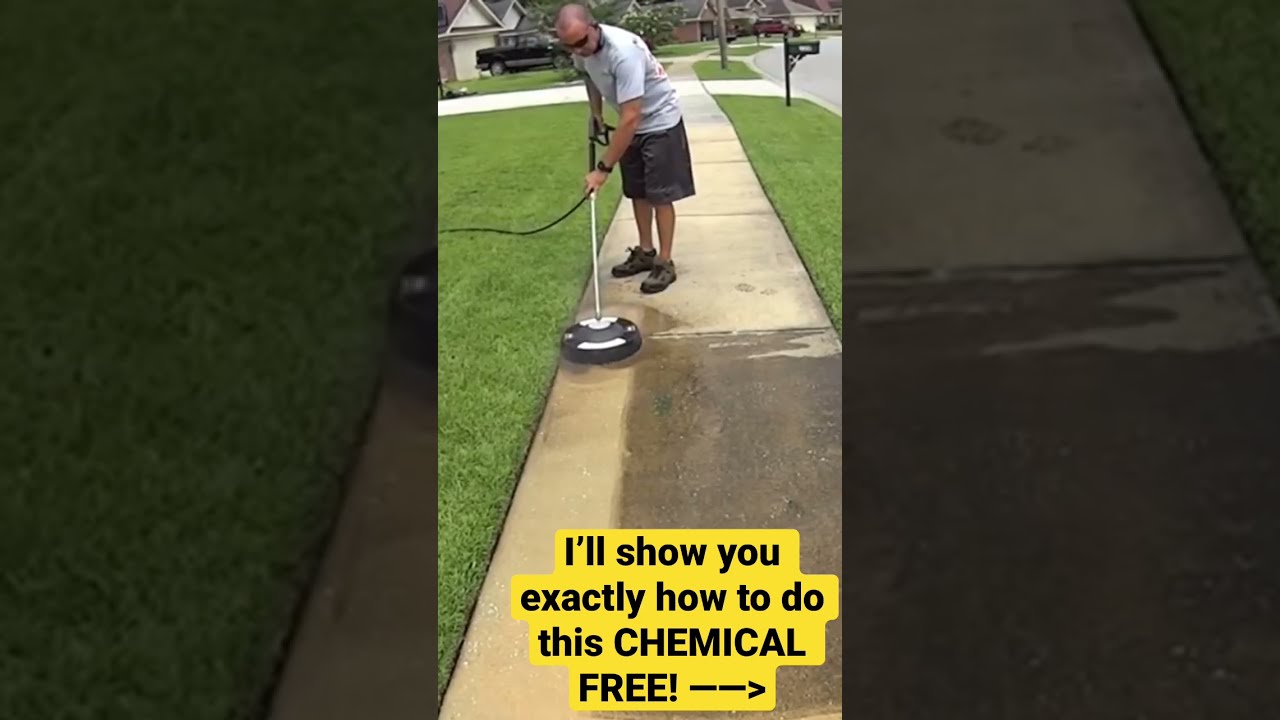
The industry gold standard for residential properties involves low-pressure chemical decontamination, widely known as soft washing. Rather than relying on brute hydraulic force, soft washing utilizes specialized, biodegradable antimicrobial solutions delivered at gentle tap pressure. These solutions penetrate the porous surface of the tile, eradicating moss, lichen, and algae at the cellular level down to the deepest root filaments. Once neutralised, the dead organic debris washes away naturally over successive rain cycles, leaving the substrate entirely intact.
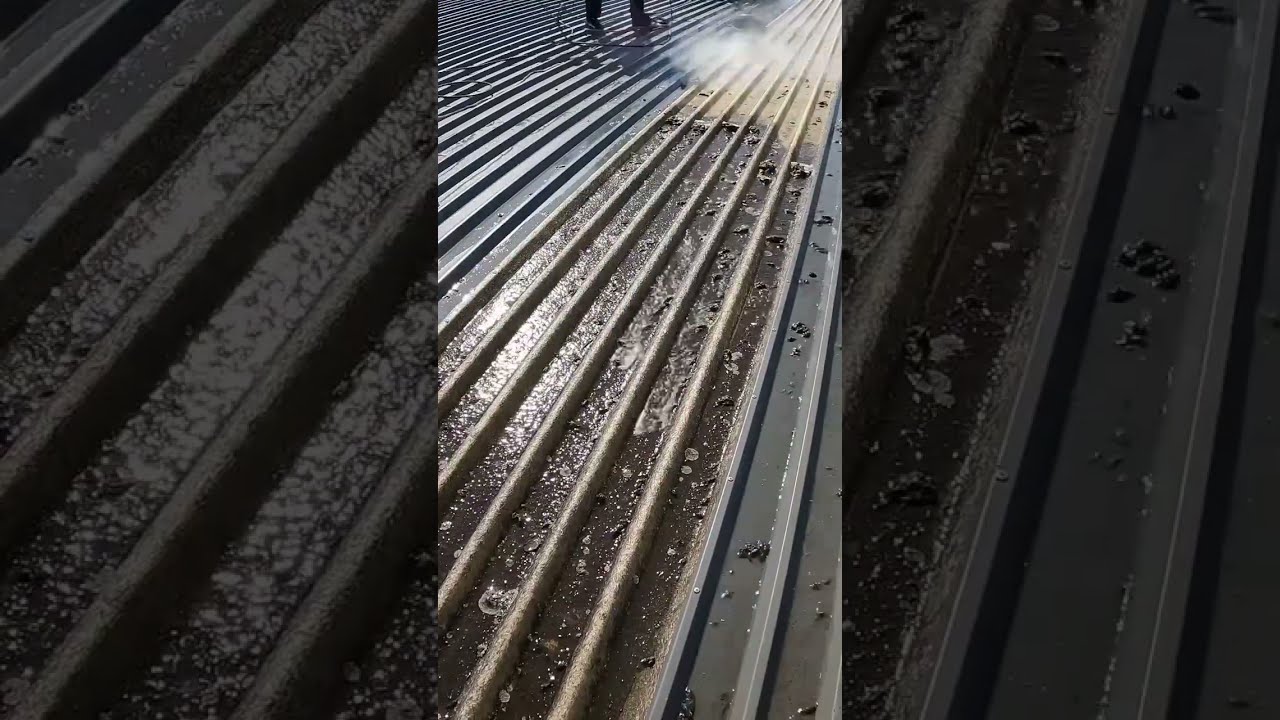
Controlled, low-to-medium pressure cleaning still plays an essential role when appropriately applied. It is indispensable for prepping tiled roofs prior to re-pointing and re-coating, or for scouring robust surfaces like gutters, downpipes, and flashings. In skilled hands, modern pressure washing equipment can be dialed down precisely to wash away stubborn dirt and salt encrustations safely without compromising tile integrity or stripping Colorbond finishes.
An Integrated Approach to Bayside Property Maintenance
Roof maintenance does not exist in isolation. Because organic spores, windblown marine salt, and urban pollutants circulate continuously, treating the roof is most effective when integrated into a comprehensive exterior maintenance plan. When spores are removed from the roof, they will simply recolonise the surface if the surrounding walls, fascia, gutters, and paving remain saturated with biological contamination.
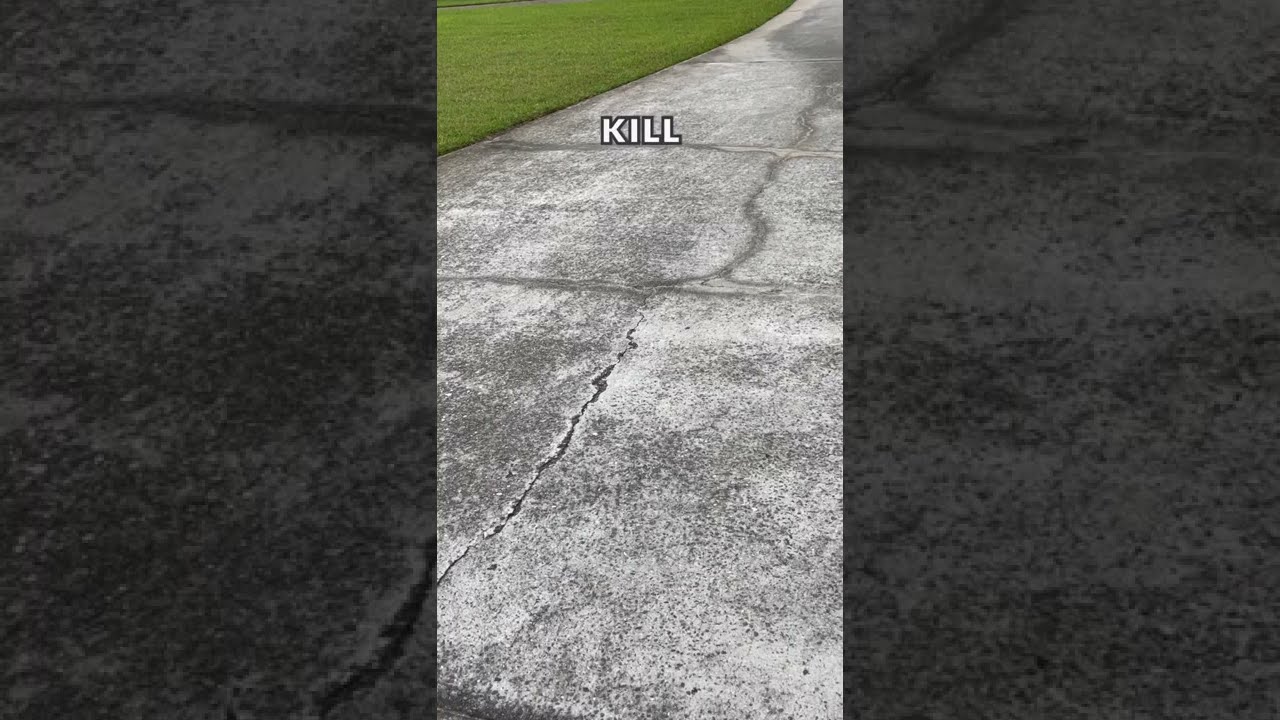
Combining roof restoration with holistic house washing cleans the entire building envelope, neutralizing mold on weatherboards and render before it can drift upward. Likewise, scheduling regular driveway cleaning alongside roof care preserves the property's perimeter, stripping away slippery algae and tire grime that would otherwise be tracked onto decking and floors. A total exterior wash strategy ensures that treatments last longer, curb appeal is dramatically boosted, and the entire exterior structure stays fortified against the corrosive Bayside climate.
Environmental Compliance and Stormwater Care
Responsible exterior cleaning requires rigorous compliance with environmental regulations. Under the oversight of Environment Protection Authority (EPA) Victoria, allowing contaminated wastewater, detergent runoff, or dislodged chemical biocide into the stormwater system is strictly prohibited. Because stormwater drains along Melbourne Bayside discharge directly into Port Phillip Bay, safeguarding the marine ecosystem is a top community and legal priority.
Professional cleaning operations utilize https://pressurecleaningbayside.com.au/house-washing/ downpipe isolation plugs and mobile wastewater diversion units to prevent wash water from entering local waterways. For homeowners equipped with rainwater harvesting systems connected to garden irrigation or household greywater, downpipes must be securely disconnected prior to cleaning and remain isolated until the roof has been completely flushed clean by subsequent rain events. These protocols ensure that coastal homes maintain immaculate aesthetics without jeopardizing the fragile aquatic environments of the bay.
Establishing a Preventative Roof Maintenance Schedule
Waiting for visible damage before addressing roof hygiene invariably results in inflated repair bills. In the coastal Bayside strip, regular professional assessments ensure that minor issues—such as hairline tile cracks, loose mortar, or initial lichen germination—are managed before they demand a full structural re-roofing.
A sensible, long-term maintenance approach for Bayside homeowners includes the following roadmap:
- Bi-Annual Visual Inspections: Check for visual signs of black streaking, mortar crumbling along the ridge capping, and gutter debris build-up, ideally at the change of seasons (autumn and spring).
- Gutter Clearing and Downpipe Flushing: Clear eucalyptus foliage and coastal sand deposits every 6 to 12 months to guarantee unrestricted water drainage.
- Targeted Soft Wash Treatments: Commission a dedicated low-pressure chemical wash every 24 to 36 months to eliminate microscopic organic growth and dissolve accumulated salt crusting.
- Full Property Exterior Washdowns: Coordinate periodic maintenance pairing roof decontamination with low-pressure house washing and high-pressure driveway cleaning to protect the entire property value.
Safeguarding Your Coastal Asset
Melbourne Bayside real estate represents some of the most sought-after property in the country. Protecting that investment requires an honest assessment of how the coastal environment interacts with architectural materials. Routine, professional roof cleaning is not an optional extravagance; it is a vital, cost-effective defense against salt corrosion, water ingress, and premature structural failure. By incorporating gentle, targeted cleaning protocols into your property upkeep, you ensure that your home remains resilient, energy-efficient, and visually stunning for decades to come.
Bayside Pressure Cleaning Pros
Unit 3/3-5 Arnold St, Cheltenham VIC 3192
ph. (03) 4517 6380